
Kamakqua - automated quality inspection of roof tiles using artificial intelligence
Initial situation
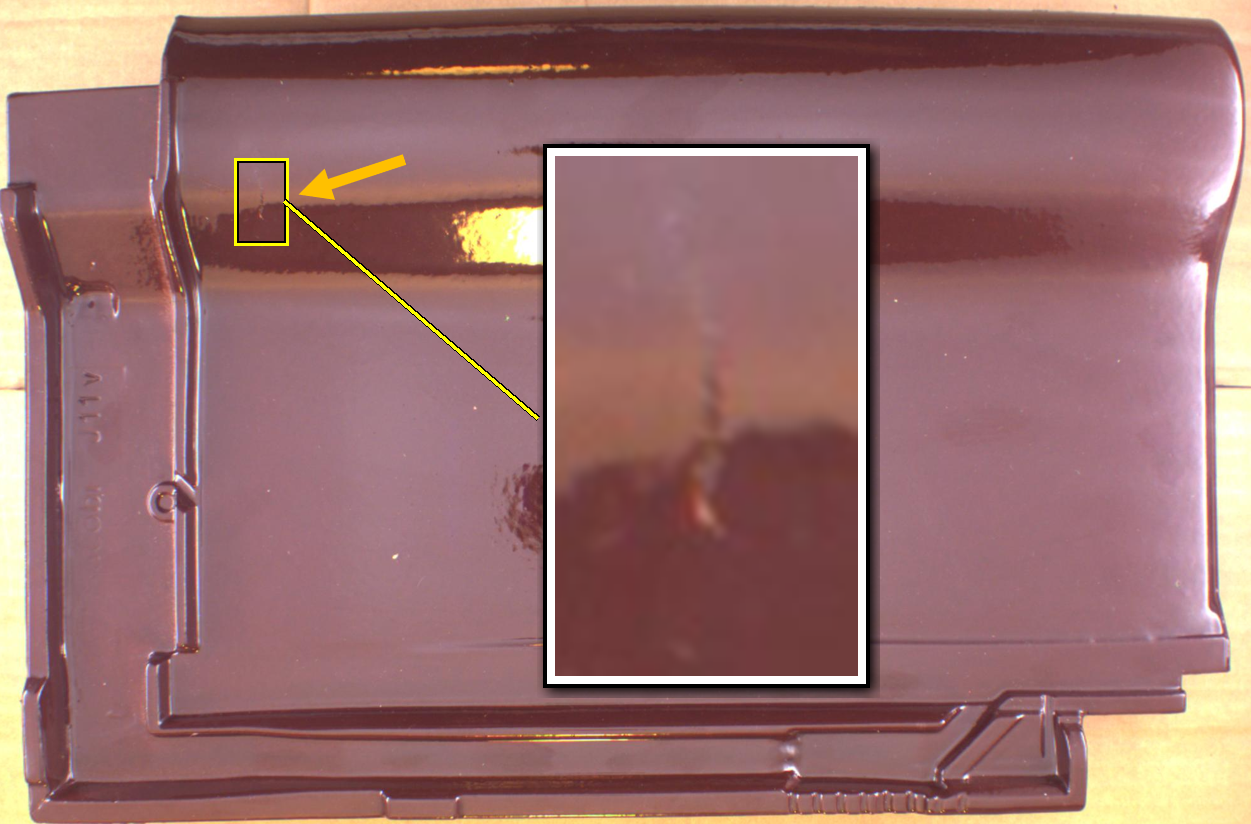
Quality assurance is an essential part of the production process in industry and manufacturing. However, inspections often rely on visual inspection and human decisions, which can lead to inconsistent results due to fatigue, fluctuating concentration and subjective assessments. These fluctuations impair the reliability and reproducibility of inspection results and can lead to quality variations in the delivered products.
Challenges
- Reliable detection of very small and large defects
- Robustness against reflections and shading on tiles
- Compliance with cycle times in inline operation
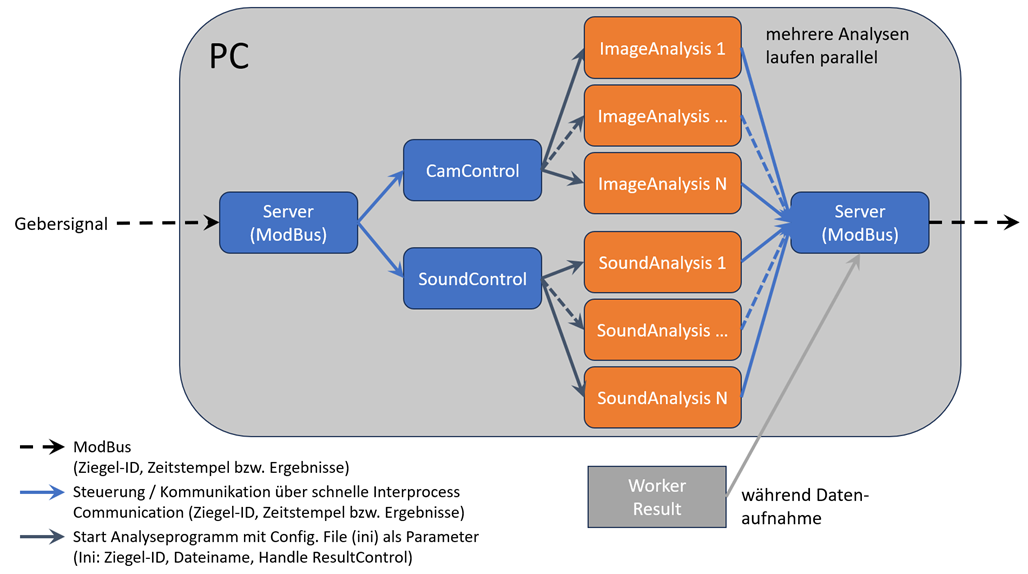
- Combination and alignment of sound and image processing
Solution: inline-capable inspection system with image and sound evaluation
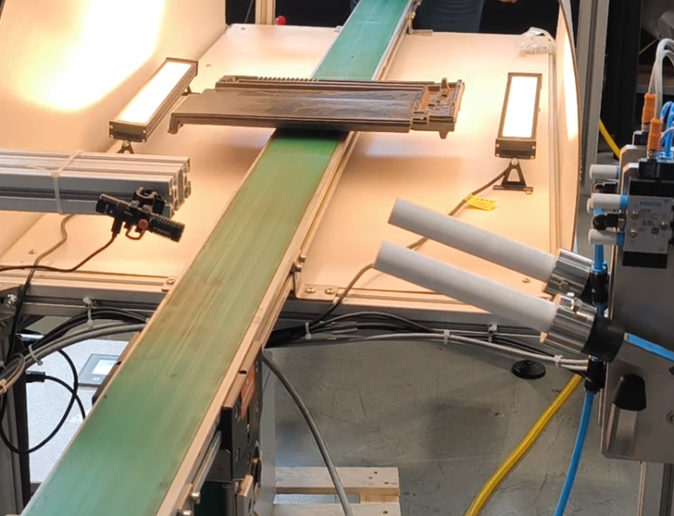
Against this background, the INDAP network partners PA-ID Automation & Vermarktung GmbH and Datinf GmbH developed an innovative, inline-capable inspection system that continuously captures and evaluates image and sound recordings of roof tiles passing by. The quality assessment of the tiles is performed using artificial intelligence (AI). Tiles classified as defective are automatically removed. In addition, the software provides recommendations for adjusting production parameters in order to minimize the reject rate and increase efficiency.
System setup
The system is designed for inline operation and is installed above a conveyor belt. The central components include:
- A high-resolution camera for image capture
- A sound module with impact mechanism for sound generation as well as a microphone for sound recording
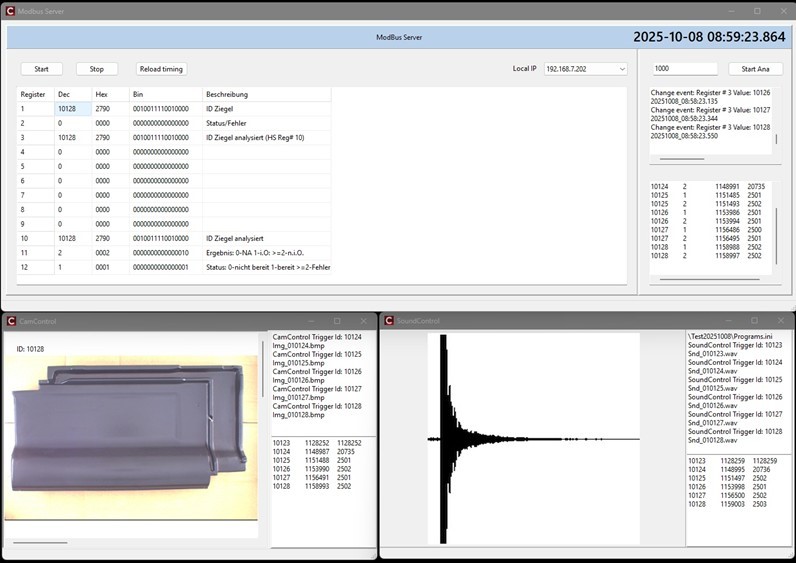
- A computing unit for processing the image and sound signals with an integrated AI system for quality assessment
- A recommendation algorithm for optimizing production parameters
- An ejection system with control unit and interface to the computing unit
Added value
The use of the automated inspection system enables 100 percent quality inspection, in which every produced tile is inspected objectively and consistently. In addition, the reduced error rate when sorting out defective tiles contributes to saving material and raw materials, which increases the sustainability of the production process.
Funding
The research and development project had a duration of two years and was funded by the Central Innovation Programme for SMEs (ZIM).